Walk into any reputable clinic and you will see the same small syringe set out for a lip filler appointment. One milliliter looks tiny next to a full face, yet in the lips it can be transformational or far too much, depending on the canvas and the technique. I have treated lips that blossomed with 0.4 mL and lips that needed two conservative visits to comfortably hold 1.5 mL. The sweet spot is not a magic number, it is a match between your anatomy, your goals, and the product placed with care.
What a syringe actually holds and why it matters
Most hyaluronic acid lip filler syringes contain 1 mL. A half syringe is 0.5 mL, not a different product, just half the volume. To visualize it, 1 mL is about one-fifth of a teaspoon. Spread into soft tissue, that small amount can add height to the cupid’s bow, structure to the vermilion border, hydration to vertical lines, and volume to the body of the lip.
The temptation to chase a particular number leads people astray. A petite mouth with thin tissue and a tight envelope cannot accept the same initial volume as a naturally full lip that has deflated with time. Good injectors treat the lips like a container with a flexible but real capacity. Push beyond what the tissue can handle on day one and you buy more swelling, more downtime, and a higher risk of migration.
How much lip filler most people need on day one
For first-time lip filler treatment, initial dosing commonly ranges from 0.5 to 1 mL. That range covers the bulk of natural enhancement goals. Subtle lip filler to add hydration or sharpen edges can be 0.3 to 0.6 mL. Bolder lip augmentation, particularly in someone with moderate baseline volume, can stretch to 1 mL if the tissue is cooperative. When lips are very thin or the philtral columns are flat, I often stage treatment over two sessions, for example 0.6 to 0.8 mL at the first visit and another 0.3 to 0.5 mL after four to eight weeks once swelling has resolved and the tissue has settled.
Real examples help. A 28-year-old with a defined cupid’s bow but flat lateral pillows took 0.7 mL beautifully, using a soft, low projection filler along the vermilion border and micro-droplets into the body to round the sides. A 44-year-old with mild perioral lines, thinning vermilion, and downturned mouth corners did best with 0.5 mL in the lips plus 0.2 mL at each oral commissure for lift. A 22-year-old seeking pronounced lip plumping injections for a photoshoot wanted 1 mL, but her lips had a tight envelope. We placed 0.6 mL first, then added 0.4 mL two weeks later. The result looked full yet stable, with fewer lumps and less protracted swelling than a rushed 1 mL would have produced.
A quick reference on dosing goals
- Hydration and smoothing for lines around lips: 0.3 to 0.6 mL, often using a very soft hyaluronic acid lip filler and micro-droplet technique. Natural lip enhancement that keeps proportions: 0.5 to 0.8 mL to shape the border, accent tubercles, and add gentle volume. Noticeable volume and definition in appropriate tissue: 0.8 to 1 mL, sometimes split into two visits if the lip is thin or tight. Correction of asymmetry or prior filler irregularity: 0.3 to 0.7 mL targeted, with possible dissolving first if needed. Maintenance touch-up after prior filler: 0.2 to 0.5 mL, depending on how much volume remains.
Those are starting points, not promises. A qualified lip filler specialist will guide final dosing after assessing your tissue quality, lip movement, dental support, bite, and animation patterns.
Product selection and why one filler does not fit all lips
Virtually all modern lip injections use hyaluronic acid. It is reversible, safe when placed correctly, and integrates nicely with lip movement. That said, hyaluronic acid fillers are not identical. They differ in crosslinking, cohesivity, elasticity, and particle size, all of which affect how they behave in highly mobile tissue.
For crisp borders and philtral columns, I like a cohesive, slightly firmer gel that resists lateral spreading. For soft, kissable volume in the pillows, a medium softness with good stretch tends to move naturally with speech and eating. For lines, a very soft, low viscosity gel in tiny amounts works better than trying to iron wrinkles flat with a heavy filler. If you see terms like G prime or rheology on a clinic’s website, that is the science behind how these gels flow and hold shape. You do not need to memorize those measures, but your provider should understand them and select accordingly.
Brand families each offer a spectrum. For example, in the Juvéderm line, Ultra or Volbella provide different feels and projection. In the Restylane portfolio, Kysse, Refyne, and Defyne each have their place. There is no single best lip filler. The best choice is the one that suits your tissue and goal, not what worked for your friend on social media.
How the appointment usually unfolds
Expect a proper lip filler consultation before any injections. We review medical history, allergies, autoimmune conditions, previous dermal filler lips, and past cold sores. If you are prone to herpes simplex, you may need a brief antiviral course to prevent a flare. Blood thinners, high-dose fish oil, aspirin, or certain supplements can increase bruising; we discuss what can safely be paused with your prescribing physician.
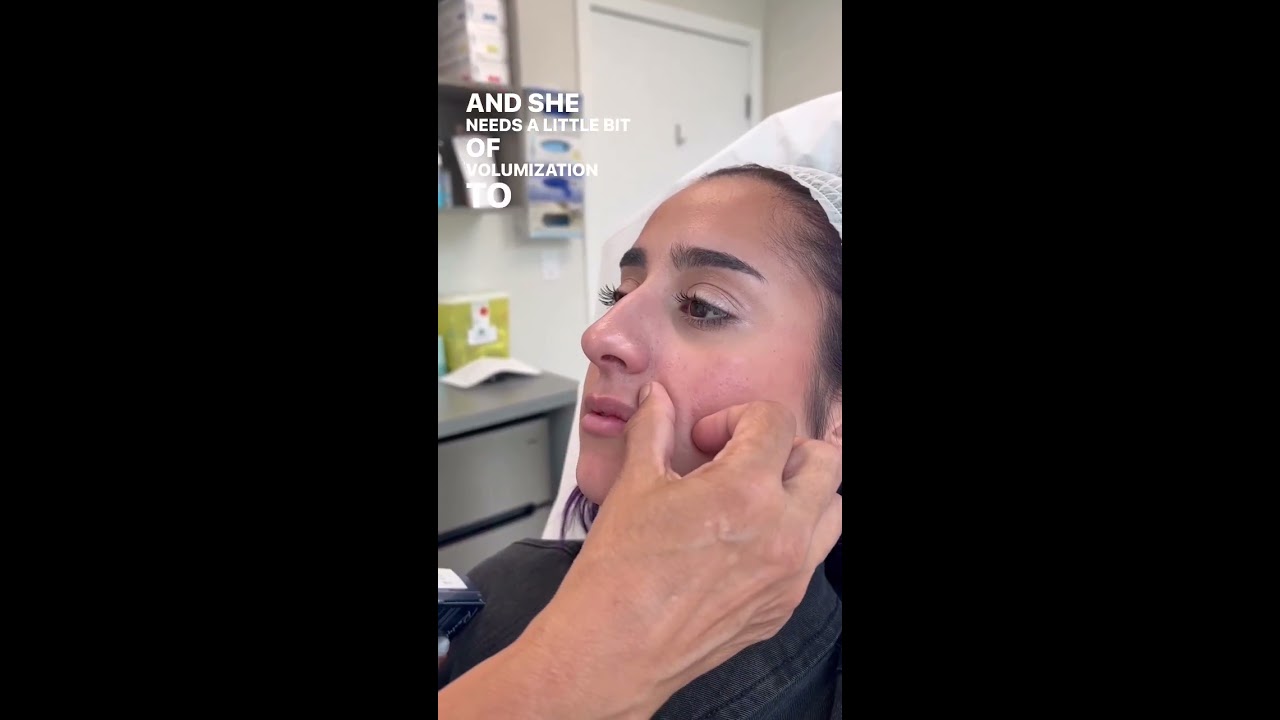
Photos document your baseline. We map asymmetries and movement, then discuss proportion. A 1 to 1.6 upper to lower lip ratio looks harmonious on many faces, but ethnic features, dental projection, and chin support affect perceived balance. Some patients want a specific look visible in lip filler before and after galleries. We interpret those preferences into what your anatomy can support without looking inflated.
Topical numbing sits for 15 to 30 minutes. Some clinics offer dental blocks for very sensitive patients. The injections themselves usually take 10 to 20 minutes. I use a mix of needle and cannula depending on the area. Needles give precision in the border and tubercles. A cannula can reduce bruising in the body of the lip and near the corners. Small amounts are placed, then massaged into position. We avoid over-correcting asymmetry in one sitting; lips relax over the first week and tiny differences often even out as swelling subsides.
Swelling stages, what is normal, and what is not
Lips are vascular and mobile, so lip filler swelling stages follow a predictable arc. For the first 24 to 48 hours, expect fullness and potential uneven swelling, worse in the morning. Days two to three can look the biggest, especially in the upper lip. By day four to five, swelling usually drops sharply. Subtle lumpiness or firmness can persist for one to two weeks as the gel hydrates and integrates. True lip injection results are best judged at two weeks when most swelling has resolved. That is when I schedule the follow-up, not the next day when flirtatious swelling may hide early asymmetry.
Bruising is common and can last a few days to over a week, depending on your tendency to bruise and whether you are on any agents that thin the blood. Makeup can cover most bruises after 24 hours if there are no open injection points. Tiny needle points generally seal quickly.
Red flags are different. Pain that feels out of proportion, blanching or dusky discoloration of the skin, or worsening pain with white patches around the lips demand urgent evaluation for a possible blood vessel issue. Call the clinic immediately, even after hours. Vascular occlusion is uncommon, but time matters if it occurs.
Aftercare that actually helps
Cold compresses are your friend during the first day, 10 minutes on and off. Keep lips clean and skip heavy workouts or heated environments for 24 to 48 hours. Sleep with your head slightly elevated the first night and hydrate well. Avoid picking at tiny scabs where the needle entered. Light lip balm is fine, but skip active skincare directly on the lips for a couple of days. If a cold sore tingles, start your antiviral promptly.
Some people obsessively massage every perceived lump. Unless your provider instructs you, resist that urge. Excessive manipulation can move product or inflame tissue. Small nodules often soften on their own as the filler integrates. If something persists at two weeks, your injector can assess whether it is swelling, a superficial placement causing a bluish tinge, or a true nodule that needs targeted massage or a tiny Morristown NJ lip filler dose of hyaluronidase.
Costs, packages, and what affects price
Lip filler cost varies by region, product, and the experience of the provider. In major U.S. Cities, a single 1 mL syringe from a top rated lip filler clinic often runs 600 to 900 dollars. In smaller markets, you might see 450 to 700 dollars. Some clinics offer half syringes for 350 to 500 dollars, though not all products are sold by the manufacturer in half sizes, so the clinic may be splitting doses only on the same day to maintain sterility.
Be cautious with very cheap lip filler or aggressive lip filler deals. Lower price can reflect less experienced providers, non‑authentic product, or rushed appointment blocks. That does not mean you have to overspend. Affordable lip filler exists, but prioritize reputation, transparency about product used, documented lip filler before and after results, and the ability to manage complications. If a clinic cannot tell you exactly which filler is being used and show you the box, walk away.
How long lip fillers last and how often to maintain
Hyaluronic acid lip filler typically lasts 6 to 12 months in the lips, sometimes shorter for very soft gels and in high movement individuals. People metabolize filler at different rates. Endurance athletes and those with a fast metabolism may notice volume fading closer to the six month mark. Firmer gels can appear to last longer, but longevity should not drive product choice more than natural movement and feel.
Maintenance looks different for each person. Many patients schedule a lip filler touch up around 6 to 9 months with 0.2 to 0.5 mL to keep shape rather than waiting for full deflation. If you prefer to let it fade, a single syringe annually can refresh definition without building excessive volume. If you have had multiple rounds of lip augmentation and want to change shape, occasionally dissolving old product with hyaluronidase and starting fresh produces cleaner results.
Safety, side effects, and what competent clinics prepare for
Expect common side effects: swelling, bruising, tenderness, temporary asymmetry, and small lumps that soften. Less common issues include the Tyndall effect, a bluish hue from superficial placement, or persistent nodules. True allergic reactions to hyaluronic acid are rare, but sensitivity to anesthetic, antiseptic, or topical numbing can occur.
The risk we take most seriously is vascular occlusion, where filler blocks a blood vessel. This is why you want a professional lip filler provider, not a white‑label pop up with no medical oversight. We carry hyaluronidase, lip fillers near Morristown use techniques that minimize risk in dangerous zones, understand lip vascular anatomy, and maintain protocols for urgent reversal. If you are considering same day lip filler at a pop‑up, ask how they would handle an occlusion or delayed swelling. The answer should be immediate evaluation and on‑site medication, not a shrug and a referral.
Cold sores can be triggered by injections. If you have a history, pre‑treat. Patients on isotretinoin, with active skin infection, or who are pregnant or breastfeeding are generally advised to wait. People with autoimmune conditions can often proceed after discussion with their physicians, but the plan should be individualized.
Lip filler migration, myths, and realistic expectations
Migration shows up when product sits above the vermilion border, blurring the line and creating a shelf. Social media can make it seem inevitable, but most migration comes from overfilling too quickly, placing too superficially at the border, or repeatedly injecting into scarred pathways. Thin tissues pushed past capacity are the other big culprit. Staging, choosing the right gel, and respecting the anatomy prevent most cases.
Photos online often show immediate lip injection before and after results. Keep in mind that swelling flatters height and can obscure shape. True lip filler results take patience. If you plan for an event, schedule your lip filler appointment at least two weeks ahead. For major shape changes, build over a couple of months.
Lip filler vs lip flip, and when each is better
A lip flip uses small units of botulinum toxin around the upper lip to relax the muscle that tucks the lip inward. The effect rolls the lip up slightly so more pink shows. It does not add volume, and it lasts about 6 to 10 weeks. It can soften vertical lines and is a good option for someone who wants a trial of a slightly fuller look with minimal cost and essentially no downtime.
Lip fillers add real volume and structure, can correct asymmetry, and last many months. The tradeoff is swelling and a higher price point. Some patients do both, but I usually recommend starting with filler if the goal is volume or structural changes, and a lip flip if the wish is a delicate evert of the upper lip without bulk. Costs vary, but a lip flip is often 80 to 200 dollars, versus several hundred for filler.
Building a plan when lips are thin or asymmetric
Thin lips have the most to gain and the least room to misstep. Expect to stage your lip dermal filler injections. We might place 0.4 to 0.6 mL to recruit height and border definition, wait four to eight weeks, then add 0.3 to 0.5 mL to round the pillows. This keeps the vermilion border clean and reduces the risk of migration. If one side is shorter or flatter, we target that asymmetry first, then fine tune. Perioral support sometimes matters more than you think; a small amount at the marionette area or oral commissure can transform the frame around the lips, making the actual lips look better with less filler.
For smokers or those with strong pursing, very soft gels placed with micro-droplets work better than trying to bulk the lip. Expect more visible vertical lines to soften rather than disappear. When lines are etched, lasers or microneedling around the mouth can complement filler.
How to choose a provider and what to ask at your consultation
- Can you show me your own lip injection before and after photos that match my starting anatomy and goal? Which hyaluronic acid fillers do you use for lips and why would you choose one for me? How much do you typically place in first-time patients, and how do you decide when to stage treatment? What is your plan if I bruise, swell asymmetrically, or develop a nodule? Do you stock hyaluronidase and have a protocol for vascular occlusion, including after-hours contact?
You want a lip filler doctor or experienced injector who listens, explains trade-offs, and sets a realistic path. If a clinic cannot answer these simply, keep looking for lip injections near me with solid reviews and clear, detailed education.
What to expect from recovery and timing your life around it
Most people return to work the same or next day. Plan around big events. Lip filler downtime is usually a couple of days of visible swelling and possible bruising, then a week of mild residual changes you will notice more than others. If you do on-camera work, allow a full week. If you have a major life event, build in that two week window to let lips settle. Alcohol and salty food can exaggerate swelling; skip them for the first 24 to 48 hours. Light exercise the next day is fine if you feel comfortable, but heavy workouts and hot yoga can make swelling louder.
When dissolving makes sense and how reversal works
Not all corrections require starting over. Small, well placed doses can refine most issues. That said, if you have visible migration, a shelf at the border, or old product that has made the lip feel rubbery, dissolving with hyaluronidase helps. The enzyme breaks down hyaluronic acid over hours to days. Expect a temporary flattening, then a clean slate for a new plan. Dissolving requires a provider comfortable with assessment and re‑building. It is also how we manage rare vascular complications, in which case we use higher doses and more urgent protocols.
Alternatives, enhancements, and when to wait
Topical lip plumping treatment offers a short lived tingle and mild swelling, useful for an evening, not a strategy. Skincare around the mouth, sunscreen, and not smoking matter far more for long term lip and perioral skin quality. Biostimulatory fillers have roles in the face, but I avoid them in lips. If your bite, dental support, or chin projection is off, orthodontics or dental work can change lip posture and sometimes reduce the amount of filler needed. For patients expecting a baby or nursing, wait. Safe lip filler is elective, and timing matters.
Putting it all together
Here is how I frame it with patients. Decide on a look that fits your face, not a trend. Choose a lip filler provider who can explain how that look translates into volume and product. Expect 0.5 to 1 mL for most first sessions, less for hydration and borders, more staged for structural changes. Respect swelling and healing time. Budget for maintenance every 6 to 12 months, with small touch-ups keeping shape gracefully. Know that reversibility exists if you want to course correct.
Lips are expressive, central to how we speak and smile. The right lip filler injections do not announce themselves. They sit quietly in the background, supporting your features while you live your life. If you are ready to explore options, bring reference photos to your lip filler consultation, ask pointed questions, and make a plan that honors your anatomy. The best lip injections feel like you, just a little more confident every time you catch your reflection.